
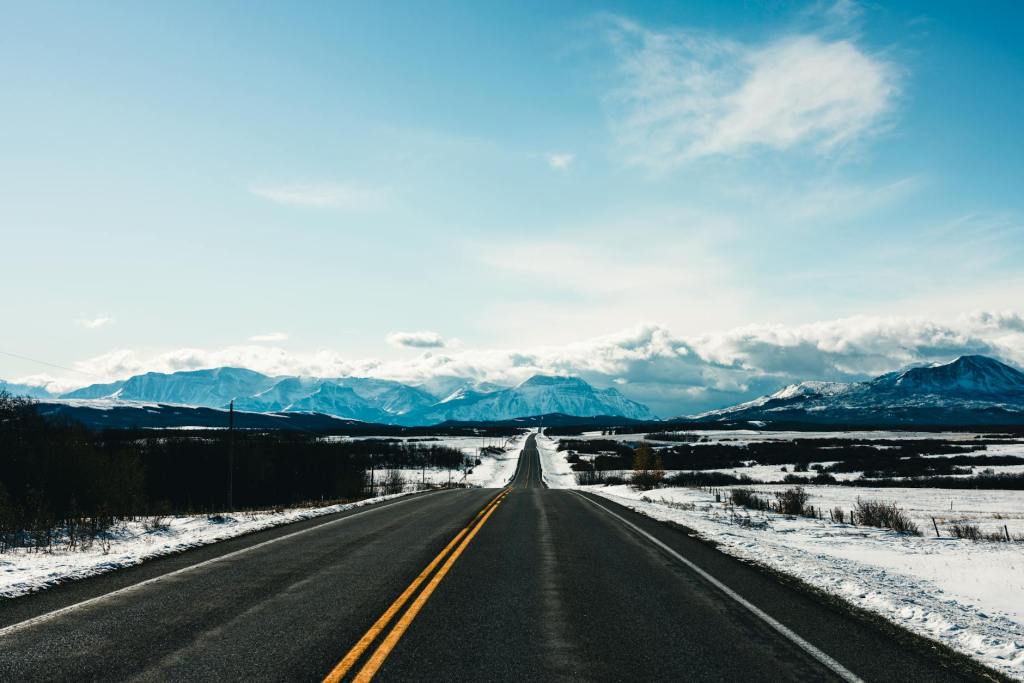
Discover how Canadian road trips have transformed from the 1970s to today — from cars and highways to music and travel culture.
Introduction – A Journey Through Time on the Open Road
Few traditions feel as timeless and Canadian as packing the car, grabbing snacks, and hitting the open road. From winding coastal routes in British Columbia to the vast prairies and the rugged charm of the Maritimes, the Canadian road trip has been a rite of passage for generations. But the road trip of the 1970s looked — and felt — very different from the road trip of today.
Let’s take a nostalgic ride through five decades of change, exploring how our cars, roads, tech, and culture have shaped the great Canadian road trip.
The 1970s – The Golden Age of the Open Road
- Vehicles: Big, comfy sedans, vans, and station wagons dominated. Think wood-panel sides, bench seats, and chrome trim. Fuel was cheap, so mileage wasn’t a concern.
- Navigation: Maps — the paper kind — were a road-tripper’s lifeline. Stopping at a gas station for directions was part of the adventure.
- Entertainment: AM/FM radio, maybe an 8-track player if you were fancy. Road trip playlists weren’t curated — they were whatever the DJ decided.
- Culture: Cross-country road trips were popular thanks to the Trans-Canada Highway’s completion in 1971. Families embraced the freedom of travel without modern distractions.
The 1980s – Road Trips Meet Pop Culture
- Vehicles: Minivans took over family travel. Honda Civics and Toyota Corollas started appearing more, showing the shift toward fuel efficiency after the ’70s oil crisis.
- Navigation: Paper maps still ruled, but more roadside signs and tourist brochures made exploring easier.
- Entertainment: The cassette tape became the road trip essential, letting drivers and passengers finally control their soundtrack.
- Culture: Road trips became more tied to pop culture — think National Lampoon’s Vacation — with a focus on fun, themed stops and roadside attractions.
The 1990s – The Rise of Comfort and Convenience
- Vehicles: SUVs and larger sedans offered space for long hauls. Cup holders finally became standard (yes, they were rare before!).
- Navigation: The first in-car GPS units appeared in high-end vehicles, but most Canadians still relied on folding maps or MapQuest printouts.
- Entertainment: CD players replaced cassettes, and portable Game Boys or Walkmans kept kids busy in the back seat.
- Culture: Cross-border shopping trips and weekend getaways surged, especially to the U.S., as the dollar’s value improved in the mid-90s.
The 2000s – Technology Takes the Wheel
- Vehicles: Compact SUVs and hybrids gained popularity. Safety features like ABS and airbags became standard, making road trips safer than ever.
- Navigation: Standalone GPS units (Garmin, TomTom) became affordable, replacing most paper maps.
- Entertainment: MP3 players and iPods transformed trip playlists, while portable DVD players made long drives easier for families.
- Culture: Social media started to influence travel — people began sharing trip photos online, inspiring others to follow similar routes.
The 2010s – The Instagram Era of Road Trips
- Vehicles: Crossovers dominated. Many cars came with built-in navigation and Bluetooth, making tech integration seamless.
- Navigation: Smartphone apps like Google Maps and Waze provided real-time traffic updates, eliminating the guesswork.
- Entertainment: Streaming music, podcasts, and audiobooks became the norm. Long drives turned into personal movie theaters for passengers thanks to tablets.
- Culture: Road trips became “shareable moments.” Instagram and YouTube created an online culture of documenting scenic drives, unique roadside finds, and #VanLife adventures.
The 2020s – Road Trips in the Modern Era
- Vehicles: Electric vehicles (EVs) and plug-in hybrids are now part of the road trip conversation, with charging networks expanding across Canada.
- Navigation: Apps not only guide you but also find EV chargers, campsites, and hidden attractions.
- Entertainment: Voice assistants like Alexa and Google Assistant make hands-free control of music and navigation easier.
- Culture: The COVID-19 pandemic reignited road trips as a safe travel option, leading to a boom in domestic tourism and an appreciation for Canada’s vast landscapes.
From Maps to Mobile Apps – What We’ve Gained (and Lost)
The evolution of the Canadian road trip shows just how far we’ve come — from gas station maps and mix tapes to GPS guidance and instant streaming.
We’ve gained convenience, safety, and choice… but some would say we’ve lost the mystery and spontaneity that came with getting “a little lost” on the way.
Final Thoughts
Whether you’re rolling in a vintage van with no GPS or cruising an EV with autonomous driving features, the heart of the Canadian road trip hasn’t changed — it’s about freedom, exploration, and the open road.
So, what’s your favourite Canadian road trip memory? Share it in the comments — and maybe inspire the next generation of travelers.
 Canuck Car Gear
Leave a comment